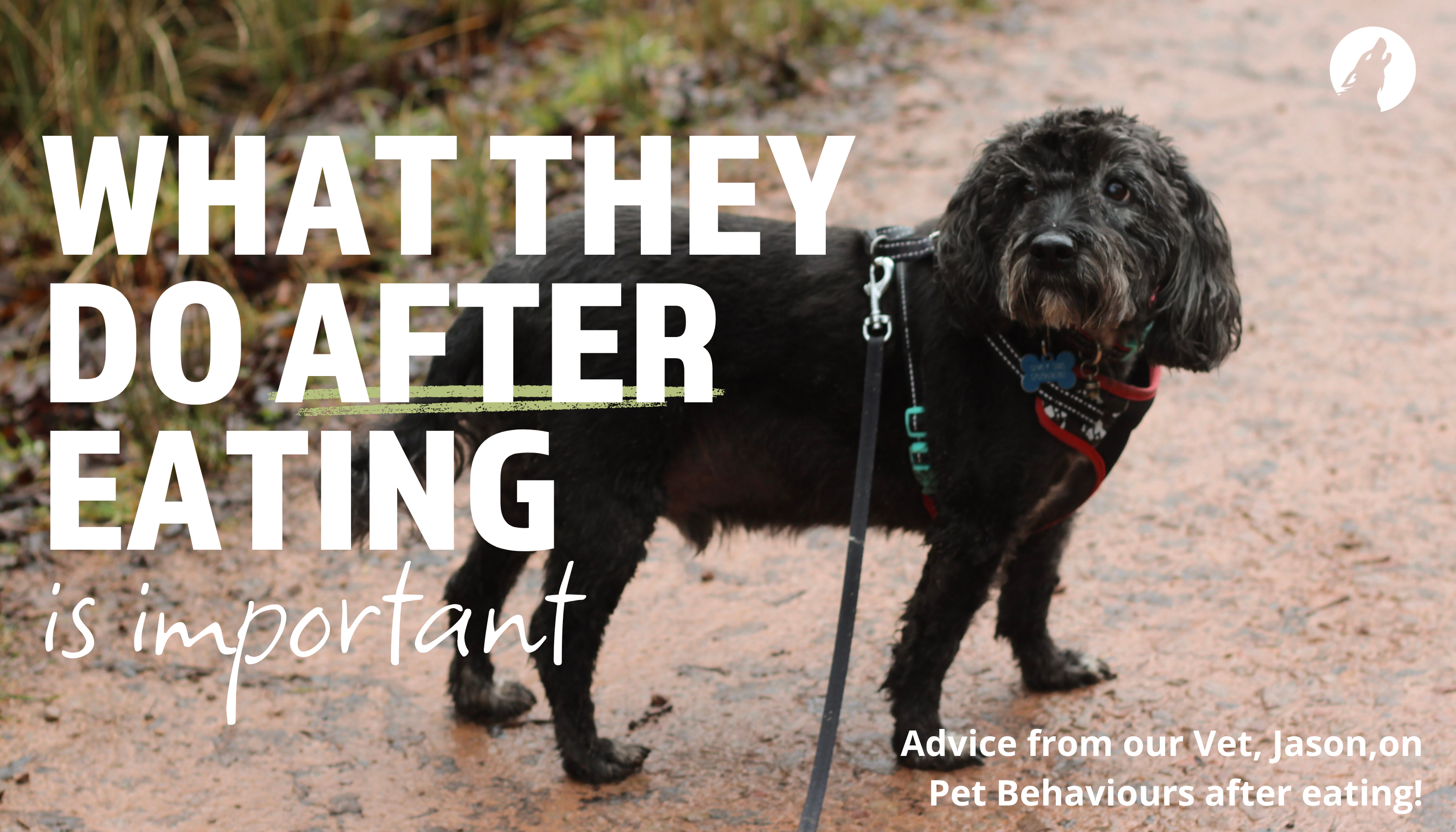
As pet owners, we all want to know we're making the right choices when it comes to our dogs' nutrition. While premium ingredients and nutritional value are important, one of the best ways to judge whether a food is truly working is by paying attention to your dog's day-to-day health.
Here are five simple signs I encourage owners to look out for when assessing their dog's overall well-being and whether their current diet is supporting them as it should.
1. Frequent Grass Eating
It's completely normal for dogs to nibble on grass from time to time, and in most cases, it's simply part of natural behaviour. However, if you notice a sudden increase in grass eating, particularly if it's accompanied by vomiting, changes in appetite or digestive upset, it may indicate that something isn't quite right and deserves further investigation.
2. Energy Highs and Lows
A balanced diet should provide steady, sustained energy throughout the day. Healthy dogs typically maintain consistent energy levels, showing enthusiasm for walks, playtime and their normal daily activities without dramatic peaks and crashes.
If your dog seems unusually lethargic, struggles to keep up with their usual routine, or experiences significant fluctuations in energy, it's worth considering whether their nutrition is fully meeting their needs.
3. Persistent Paw Licking
Occasional paw licking is common and can be linked to environmental factors, such as pollen or minor irritation. However, persistent or excessive licking may be associated with allergies, skin irritation or other underlying health concerns.
In some cases, dietary sensitivities can contribute to these symptoms, making nutrition an important factor to consider when investigating ongoing skin or paw issues.
4. Stool Quality
One of the clearest indicators of digestive health is what's left behind. Healthy stools should be firm, well-formed and consistent.
Changes in stool quality, whether too soft, too hard or inconsistent, can suggest that your dog's digestive system isn't processing or utilising their food as efficiently as it should. Monitoring stool quality provides valuable insight into how well a diet is supporting digestive health.
5. Coat & Body Condition
A healthy dog should have a glossy, clean coat with minimal dandruff or excessive shedding. Alongside coat condition, maintaining a healthy body condition score and lean muscle mass is another excellent indicator that your dog's nutritional needs are being met.
Poor coat quality, dull fur or unexpected changes in body condition can sometimes point towards nutritional imbalances or other health concerns that should be discussed with your vet.
Small Changes Can Tell You a Lot
Every dog is different, but recognising patterns in their everyday behaviour can provide valuable insight into whether their food is truly working for them.
As I often remind owners:
"The goal isn't to analyse every behaviour, but to recognise patterns. Small changes in digestion, comfort, skin condition or energy can provide valuable insight into whether a food is truly working for your dog. If in doubt, consult your vet."
— Dr. Jason Aldiss BEM BVSc MRCVS
Paying attention to these simple health indicators can help you identify potential issues early and ensure your dog continues to thrive on a diet that supports their long-term health and wellbeing.